

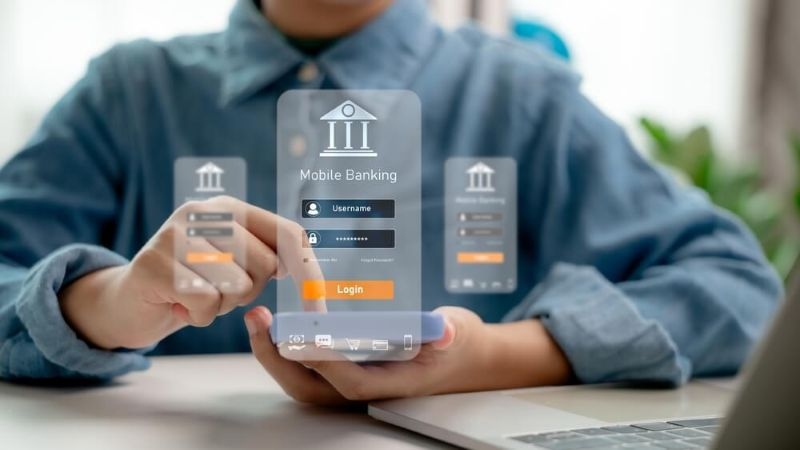
Banking used to be a place. A building, a counter, a pen on a chain. Now it’s mostly a feeling. Did the app load fast? Did the transfer work? Did someone help without making it weird? Customers judge a bank the same way they judge a rideshare or a food delivery app: quickly, and with very little patience.
That’s the backdrop for personal banking trends 2026. People aren’t asking banks to be flashy. They’re asking banks to be simple, clear, and reliable. If something goes wrong, customers want help right away, not a maze of menus and “please hold.”
So what do customers expect from U.S. banks in 2026? Think faster service, smarter tools, tighter security, and fewer unpleasant surprises.
The first big shift is that customers want banking to fit into life, not interrupt it. They expect real-time alerts, instant transfers, and account info that makes sense at a glance. No guesswork. No “pending” confusion that lasts for days.
They also expect personalization, but the useful kind. Not creepy. Not overly chatty. Just helpful nudges like, “Your subscription bill is higher this month,” or “You’re trending over budget on dining.”
In 2026, convenience is not a feature. It’s the baseline.
Here’s the honest truth: an app can look gorgeous and still feel like a bad bank if support is slow. This is why customer experience in banking is becoming the main battleground.
Customers want quick answers and clean handoffs. If a card is frozen for fraud, they want the fix in minutes, not days. If a transfer fails, they want a clear explanation and a timeline. Even a simple message like “We’re working on it, next update in 30 minutes” can reduce frustration.
People don’t demand perfection. They demand transparency. Big difference.
Banks are leaning hard into chatbots and smart assistants, and customers are fine with that, as long as it saves time. That’s where AI in retail banking becomes tricky. Customers want AI to handle the easy stuff fast, like:
But if the issue is emotional, complex, or urgent, customers want a human. Immediately. No loop. No endless “I’m sorry, I didn’t understand that.”
The best banks in 2026 treat AI as a helpful front desk, not as a locked door.
In 2026, the real question isn’t whether branches matter. It’s when they matter. That’s the heart of branch vs digital banking expectations.
Most customers prefer digital for everyday tasks: checking balances, paying bills, transferring money, depositing checks. They want it quick and silent. No phone calls.
But branches still matter for moments that feel high-stakes:
So the winning model is hybrid. Digital-first, human-backed. Customers want the option, not the obligation.
A lot of “innovation” used to mean shiny features nobody asked for. In 2026, banking innovation trends are more practical. Customers want friction removed from boring tasks.
They expect:
Security is a major part of this. Customers are more aware of scams now, and they expect banks to keep up without punishing legit users with constant lockouts.
Customers want banking that feels tailored, but still respectful. In other words, don’t guess someone’s life story based on a purchase at a pharmacy.
Useful personalization looks like:
This is also where the second wave of customer experience in banking shows up. People stay loyal when they feel understood and protected, not when they feel marketed to.
Check Out: Net Banking vs Mobile Banking: Which U.S. Option Is Right?
In 2026, customers are less tolerant of surprise fees. If a fee exists, they want it explained plainly, and they want it avoidable in a reasonable way.
Banks that win trust tend to:
Customers are not asking for banks to be charities. They are asking for banks to be clear and fair.
The second chapter of AI in retail banking is less about chatbots and more about decision support. Customers expect banks to offer insights like:
The catch is that this advice has to be accurate and easy to verify. Customers do not want vague suggestions. They want numbers, reasons, and control.
When AI helps people feel more confident, it becomes sticky. When it guesses wrong, it gets ignored fast.
The second look at branch vs digital banking shows a new expectation: customers want premium support without premium drama. Not everyone needs a dedicated banker, but many customers want a fast path to a competent person when things go sideways.
That might look like:
People want human help that feels modern, not old-school.
The second round of banking innovation trends includes smoother payments and transfers. Customers expect:
Scams are part of the reason. Customers want protection, but they also want speed. Banks that balance both feel trustworthy.
Read More: How AI Is Transforming Personal Banking Experience in USA?
Let’s end with the stuff customers are tired of. The second mention of personal banking trends 2026 belongs here because it highlights what’s driving switching behavior.
Customers won’t tolerate:
People are willing to try new banks. Loyalty is earned through consistency, not branding.
They expect fast digital service, strong security, and support that solves problems quickly without forcing customers to repeat themselves.
Yes, but mainly for complex or high-stakes needs like identity issues, loans, or major account changes. Daily banking is mostly digital now.
AI is moving beyond chatbots into spending insights, fraud detection, and personalized guidance, but customers still want humans for urgent or complex issues.
This content was created by AI