


Getting scammed can feel like the floor just dropped out from under you. One moment, life is humming along, and the next, you are replaying every click, call, or message in your head. This guide walks you through how to recover from a scam, calm the chaos, protect your finances, and rebuild confidence. We will cover scam recovery steps, what to do after a scam, how to report a scam properly, realistic ways to get money back from a scam, and where to find real scam victim help in the USA. It is practical, human, and honest, because that is what you need right now.
Before anything else, take a breath. Seriously. Recovery starts the moment you stop blaming yourself and start acting.
This section lays the foundation. Think of it as steadying the wheel before steering the car back onto the road.
Here is the thing. Speed matters more than perfection. You do not need a flawless plan. You need movement.
Start by securing your accounts. Change passwords on email, banking apps, social media, and shopping platforms. Use strong, unique passwords. If that feels overwhelming, focus on email and banking first. Everything else can follow.
Next, contact your bank or credit card company. Tell them exactly what happened. Not a polished version. The real one. Many people hesitate here, worried they will sound careless. Honestly, banks hear these stories every day.
If personal information was shared, consider placing a fraud alert or credit freeze with the major credit bureaus. It sounds intense, but it is simply a lock on your financial front door.
Scammers move quickly, but so do recovery systems when alerted early. Transactions can sometimes be stopped mid-stream. Accounts can be flagged before more damage happens.
There is also a mental shift that comes with action. Instead of feeling stuck, you feel involved. That alone helps you recover from a scam emotionally, not just financially.
Also read: Maintain and Build Emergency Fund Today: A Complete Guide
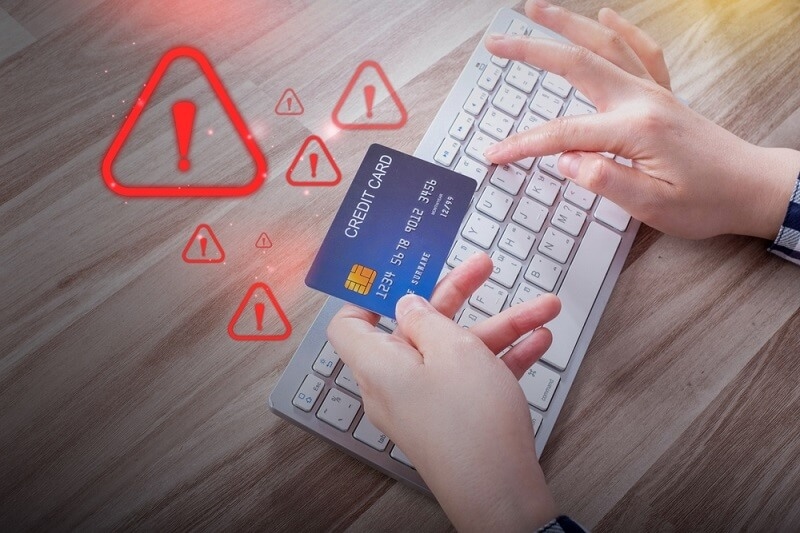
Once the urgent fires are out, confusion tends to creep in. What now? Who do you trust? What was real and what was fake?
This part is about clearing the fog.
After a scam, your brain is loud. Every notification feels suspicious. Every email feels risky. That is normal.
Write down what you know for sure. Dates, amounts, accounts touched, messages received. Keep it simple. This list becomes your anchor when talking to banks, agencies, or support services.
Then, stop engaging with the scammer completely. No replies. No follow-ups. Even angry messages keep the door open.
Here is a frustrating truth. Scammers often circle back. They may pose as recovery agents or legal helpers offering to get money back from a scam for a fee.
If someone contacts you out of the blue promising guaranteed recovery, pause. Real help does not rush you or demand upfront payments.
Knowing what to do after a scam also means knowing when to say no, even when you feel desperate for fixes.
Recovery is not a single task. It is a series of small, sometimes boring steps that quietly add up.
Let me explain what tends to work.
Start reviewing your bank and credit statements line by line. Yes, it is tedious. But patterns emerge. Small test charges. Repeat attempts. Catching these early saves money later.
If identity information was exposed, monitor your credit reports regularly. Many services offer free monitoring now, and it is worth using them for peace of mind.
Keep records of every call, email, and report. Dates, names, reference numbers. It may feel old school, but it strengthens your case if disputes arise.
We do not talk enough about this part. Being scammed shakes trust. Not just in others, but in yourself.
You might think, How did I miss that? Honestly, scammers are professionals. They use timing, emotion, and pressure like tools.
Talk about it. A friend. A family member. Even an online support group. Sharing the story takes away its power and helps you move forward without carrying quiet shame.
Don't miss: Creating a Monthly Budget Guide for Middle-Income Americans
Reporting matters. Even if you think nothing will happen. Even if the money feels gone.
This is how systems learn, and patterns get flagged.
In the USA, reporting starts with the Federal Trade Commission. Filing a report helps build national data that law enforcement uses to track trends.
If the scam involved online activity, report it to the platform used. Email providers, social networks, and payment apps. These companies can shut down scam accounts faster than you might expect.
Knowing how to report a scam also helps protect others. That alone makes the effort worthwhile.
For larger losses or identity theft, local police reports may be required, especially for insurance or legal processes.
Do not expect dramatic action. That is not the goal. The report creates a paper trail that supports your recovery steps later.
This is the question everyone asks quietly and then out loud. Can I get my money back?
Sometimes, yes. Sometimes, partially. Sometimes, no. But trying still matters.
If you paid by credit card, you may be eligible for a chargeback. Debit cards and wire transfers are tougher, but not impossible.
Call your financial institution directly. Ask about dispute processes. Deadlines matter here, so act quickly.
In rare cases, legal action or restitution programs apply, especially for large-scale fraud. Be cautious with third-party recovery services. Research them carefully. Real ones explain risks clearly and never promise miracles.
Getting money back from a scam is not just about dollars. It is also about restoring control and closing the chapter properly.
Read more: Debt Management Strategies to Crush Loans & Credit Cards
Recovering from a scam is not about snapping back overnight. It is about steady steps, honest conversations, and rebuilding trust piece by piece. By acting quickly, understanding what to do after a scam, following real scam recovery steps, knowing how to report a scam, and seeking genuine scam victim help, you put yourself back in charge. The experience does not define you. What you do next does.
Recovery timelines vary. Financial issues may resolve in weeks, while emotional recovery can take longer, depending on support and impact.
Sometimes yes, especially with credit cards or quick reporting. Even partial recovery is possible in certain cases.
Yes. Reporting helps protect others and strengthens your own recovery options with banks or agencies.
Federal agencies, nonprofits, consumer protection groups, and local community organizations all offer support and guidance.
This content was created by AI